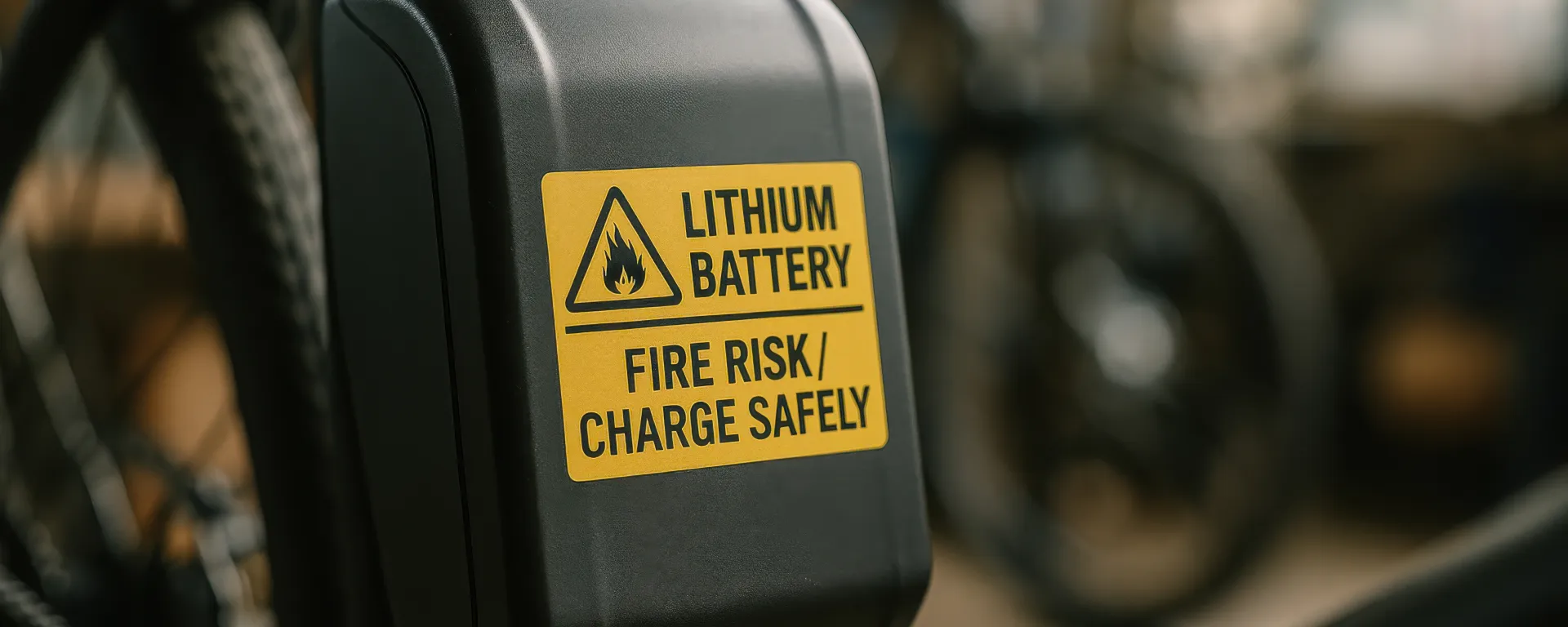
What are lithium batteries?

Lithium-ion (Li-ion) and lithium polymer (LiPo) batteries are rechargeable power sources found in many everyday devices including smartphones, laptops, e-scooters and e-bikes, e-cigarettes, power tools, toys, and cars.

These batteries are designed to be recharged many times, but can pose fire or chemical hazards if damaged, overcharged, or improperly disposed of. Being aware of these risks and taking simple precautions helps protect your home and community.

Battery Safety Tips

Safe Charging

  • Always follow the manufacturer’s instructions.
  • Use only the battery designed for the device.
  • Use only the original or manufacturer-approved charger.
  • Do not use aftermarket or generic batteries or chargers.
  • Do not keep charging the device or battery after fully charging.
  • Do not charge a device under your pillow, on your bed, or a couch.

Safe Use and Storage

  • Avoid exposing devices or batteries to direct sunlight, heat sources, or hot vehicles
  • Do not drop, puncture, crush, or disassemble batteries
  • Store batteries in a cool, dry place when not in use
  • Store batteries at 40–80% charge for long-term storage
  • Keep batteries away from water and metal objects
  • Use protective storage when possible and avoid stacking loose batteries
  • Keep batteries out of reach of children and pets
  • Inspect batteries regularly

Disposal

Never throw lithium batteries in your regular household garbage or recycling bin. They can cause fires during transport or at landfills and pose environmental risks. You can drop off residential lithium batteries for free at the Martin County Household Hazardous Waste (HHW) Disposal Center.

Household Hazardous Waste Disposal Center

  • Address: 9155 Busch St, Palm City, FL 34990
  • Hours: Monday–Friday 8 a.m.–5 p.m., Saturday 8 a.m.–12 p.m., Closed Sunday

To find additional local recycling locations, visit batterynetwork.org/locator/.

Warning Signs of a Failing Battery

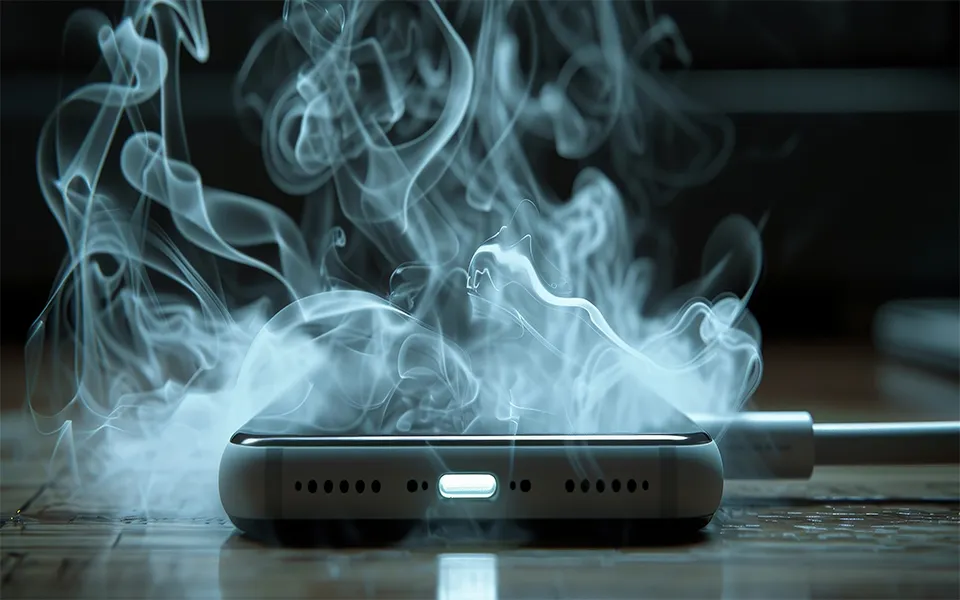
A smartphone overheating while charging.

Stop using a battery immediately if you notice any of the following signs. A battery exhibiting these symptoms has a heightened risk of thermal runaway and fire.

  • Discoloration, scorching, or smoke
  • Swelling, bulging, or deformation of the battery or device casing
  • Unusual heat during or after charging, beyond normal warmth
  • Hissing, crackling, popping, or other unusual sounds
  • Leaking fluid, unusual odors, or chemical smells
  • The device shuts off unexpectedly even at higher charge levels

What to do in an Emergency

If a lithium-ion battery begins smoking, sparking, overheating, or catches fire, leave the area immediately and get everyone to safety. Close doors behind you as you leave to help slow the spread of fire and smoke. Do not attempt to extinguish the fire yourself. Lithium-ion battery fires can intensify quickly and produce toxic gases. 

Once you are at a safe distance, call 9-1-1 and report the incident. Only emergency responders with proper personal protective equipment (PPE) should handle the fire.

Frequently asked questions

No. Lithium batteries must never be placed in curbside recycling or trash. They can cause fires in collection trucks and at sorting facilities. Use one of the county's approved drop-off locations or scheduled collection events listed in the Disposal section above.

While modern devices have overcharge protection, charging overnight still poses risks, particularly if the charger or cable is damaged, not manufacturer-approved, or placed on a flammable surface. Best practice is to unplug devices once fully charged and avoid charging while you sleep.

Stop using and charging the device immediately. A swollen (puffed) battery indicates internal damage and increased fire risk. Do not puncture or compress the battery. Place the device on a non-flammable surface away from combustibles. Contact the manufacturer for warranty or replacement options. Dispose of the battery at an approved HHW facility. Do not put it in the trash.

Many third-party batteries are safe if they are UL Listed or ETL Certified and compatible with your device. However, counterfeit and uncertified batteries are a leading cause of lithium battery fires. Always purchase from reputable retailers and verify certification marks. For e-bikes and larger devices, we strongly recommend only manufacturer-supplied replacement batteries.