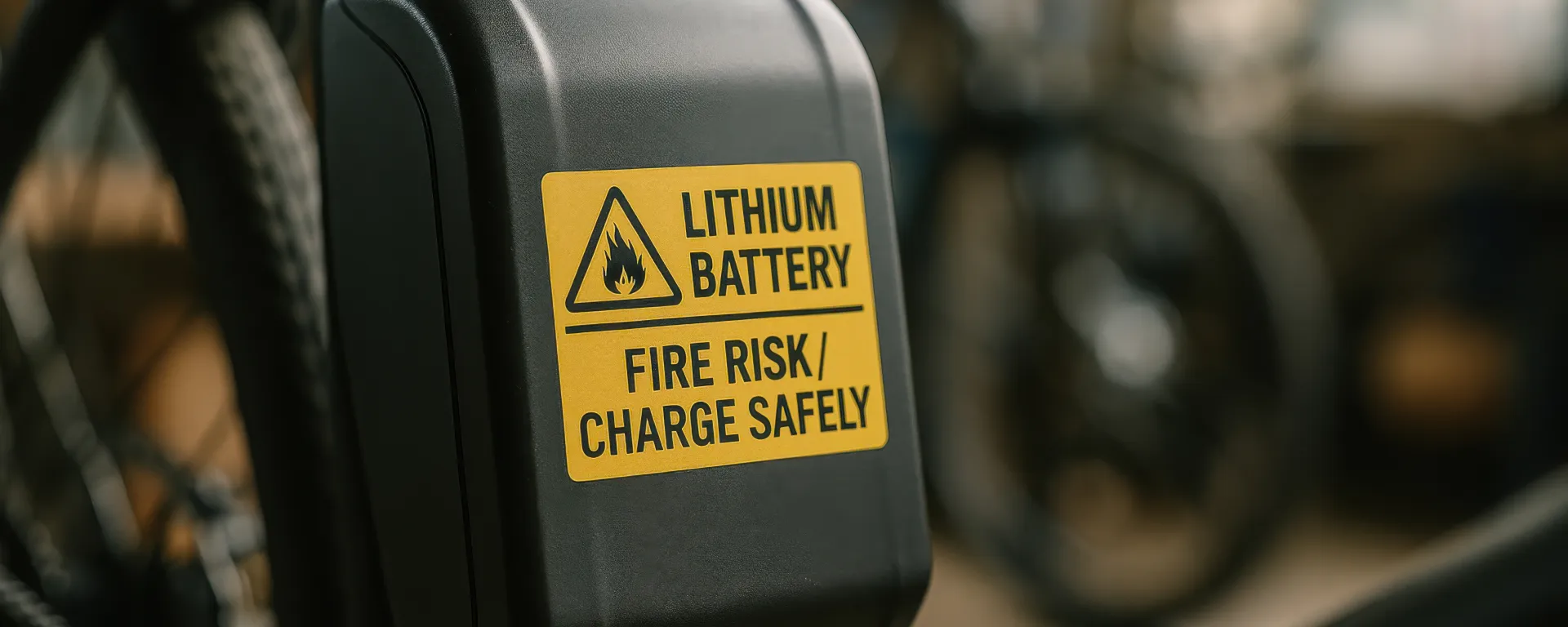
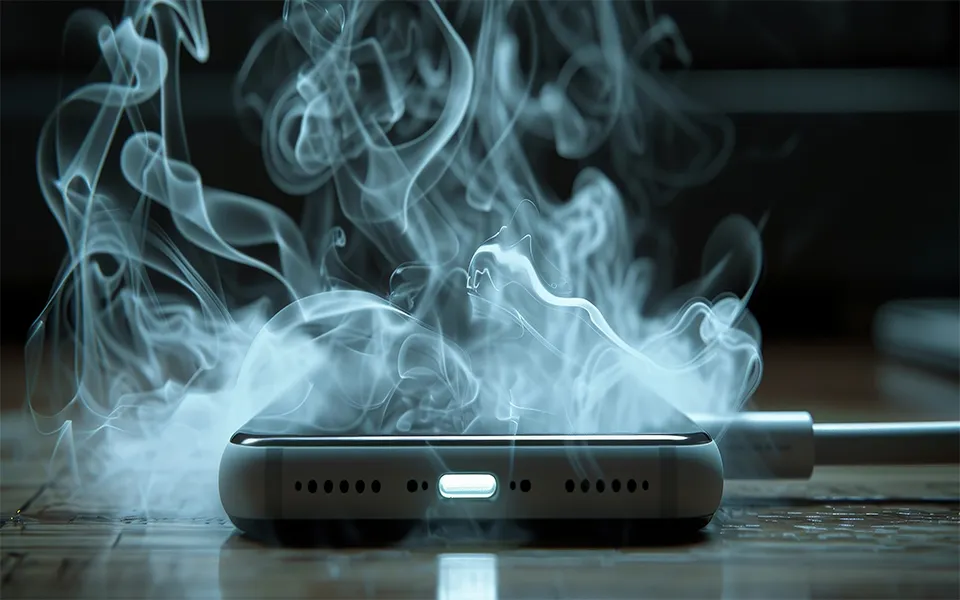
What are lithium batteries?

Lithium-ion (Li-ion) and lithium polymer (LiPo) batteries are rechargeable power sources found in many everyday devices. They are lightweight and compact but can pose fire or chemical hazards if damaged, overcharged, or improperly disposed of. Being aware of these risks and taking simple precautions helps protect your home, family, and the wider community.

Where You Find Lithium Batteries

Common devices that use lithium batteries include:

  • Smartphones and tablets
  • Laptops and portable electronics
  • E-cigarettes and vaping devices
  • E-bikes, electric scooters, and hoverboards
  • Cordless power tools and vacuum cleaners
  • Cameras and drones
  • Certain medical devices

Safe Usage Tips

To prevent accidents when using lithium batteries, follow these important safety guidelines.

Always use the charger that came with your device or a manufacturer-approved replacement. Chargers are designed to provide the correct voltage and current for your battery. Using the wrong charger can cause overheating, swelling, or even fire. Avoid cheap or unbranded chargers from online marketplaces, as they may not meet safety standards.

Once your battery reaches 100 percent, unplug it from the charger. Charging overnight or leaving it connected for long periods can reduce battery life and increase the risk of overheating.

Exposing the internal chemicals can cause fire, chemical burns, or toxic fumes.

Avoid leaving devices in direct sunlight, near heaters, or in a hot car. High temperatures increase the risk of swelling or fire. Do not change a device under your pillow, on your bed, or on a couch.

If you notice swelling, leakage, corrosion, or strange smells, stop using the battery immediately and follow proper disposal guidelines.

Safe Storage

How and where you store lithium batteries matters as much as how you charge them. Improper storage, especially in extreme heat or cold, can degrade batteries and increase fire risk.

Do:

  • Store at 40–80% charge for long-term storage.
  • Keep in a cool, dry, well-ventilated area.
  • Use a fireproof container if possible.
  • Keep loose batteries in separate plastic bags.
  • Store out of reach of children and pets.

Do Not:

  • Store in direct sunlight, near heat, or in hot vehicles.
  • Let battery terminals touch metal.
  • Store fully discharged for long periods.
  • Stack batteries without protection.

Temperature Guidelines:

  • Charging: 32°F – 113°F
  • Using / Operating: -4°F – 140°F (best 59°F – 95°F)
  • Storage: 50°F – 77°F (acceptable -4°F – 77°F)

If a battery fire occurs

Lithium battery fires are dangerous and unpredictable. Even after a fire appears to be out, a battery can re-ignite hours later. In most cases, residents should not attempt to fight the fire themselves. Evacuate immediately and call 911.

⚠️ Do Not Use Water. Water can react with the chemicals inside some lithium batteries and make the fire worse. Only trained firefighters should handle these fires with proper equipment.

Steps to Stay Safe

  1. Alert everyone in the home. Shout a warning and make sure all family members and pets leave the house immediately.
  2. Evacuate safely Leave the home without stopping to gather belongings. lose doors behind you to help slow the spread of fire. Do not lock doors.
  3. Call 9-1-1. From a safe location, clearly explain that it is a lithium battery fire so responders can bring the proper equipment.
  4. Do not re-enter your home. Wait outside at a safe distance. Only trained firefighters should go back inside.
  5. Beware of re-ignition. Lithium batteries can catch fire again even after appearing extinguished. Tell firefighters where the battery is so they can handle it safely, which may include submerging it in a fire-safe container.

Disposal and Recycling

Never throw lithium batteries in the regular trash or recycling bin. Improper disposal can cause fires and environmental harm. You can drop off residential lithium batteries for free at the Martin County Household Hazardous Waste Disposal Center in Palm City.

Household Hazardous Waste Disposal Center

  • Address: 9155 Busch Street, Palm City, FL 34990
  • Hours: Monday–Friday 8:00 a.m.–5:00 p.m., Saturday 8:00 a.m.–12:00 p.m., Closed Sunday

Retail Recycling Options

  • Home Depot: Drop rechargeable lithium batteries at the Call2Recycle bin near the store entrance.
  • Lowe’s: Many stores accept rechargeable lithium batteries at Call2Recycle bins near customer service.

Frequently asked questions

No. Lithium batteries must never be placed in curbside recycling or trash. They can cause fires in collection trucks and at sorting facilities. Use one of the county's approved drop-off locations or scheduled collection events listed in the Disposal section above.

While modern devices have overcharge protection, charging overnight still poses risks, particularly if the charger or cable is damaged, not manufacturer-approved, or placed on a flammable surface. Best practice is to unplug devices once fully charged and avoid charging while you sleep.

Stop using and charging the device immediately. A swollen (puffed) battery indicates internal damage and increased fire risk. Do not puncture or compress the battery. Place the device on a non-flammable surface away from combustibles. Contact the manufacturer for warranty or replacement options. Dispose of the battery at an approved HHW facility. Do not put it in the trash.

Many third-party batteries are safe if they are UL Listed or ETL Certified and compatible with your device. However, counterfeit and uncertified batteries are a leading cause of lithium battery fires. Always purchase from reputable retailers and verify certification marks. For e-bikes and larger devices, we strongly recommend only manufacturer-supplied replacement batteries.