St. Lucie Inlet
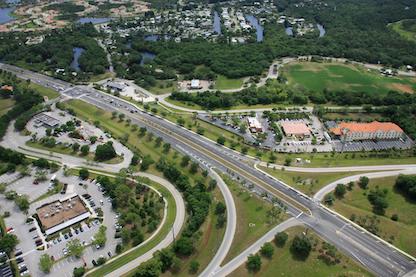
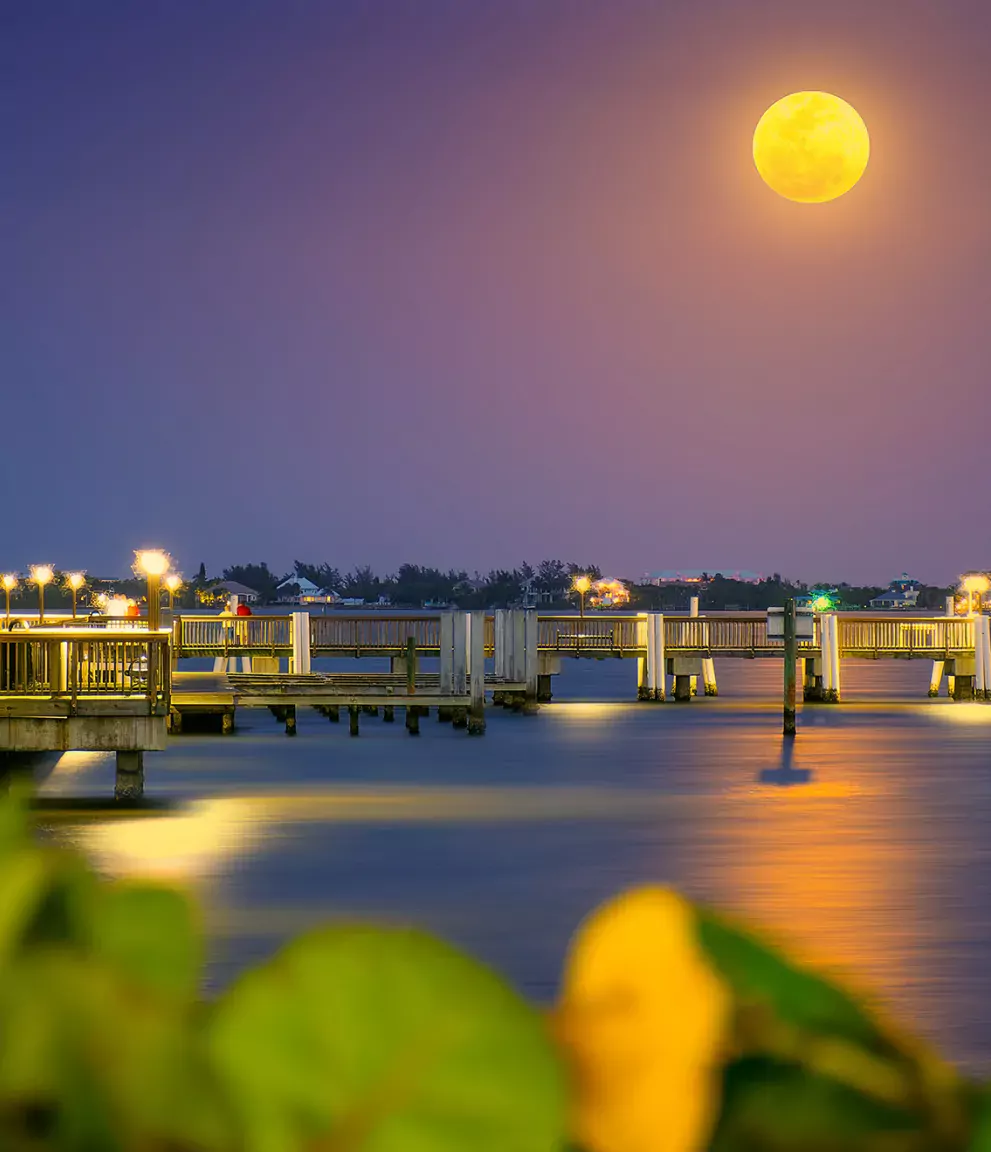
Located at the confluence of the Intracoastal Waterway and the Okeechobee Waterway, the St. Lucie Inlet offers direct access to the Atlantic Ocean, and is a significant portal for marine commerce and recreational boaters. The Inlet separates the barrier islands of Hutchinson Island to the north and Jupiter Island to the south, along Florida’s southeast coast.
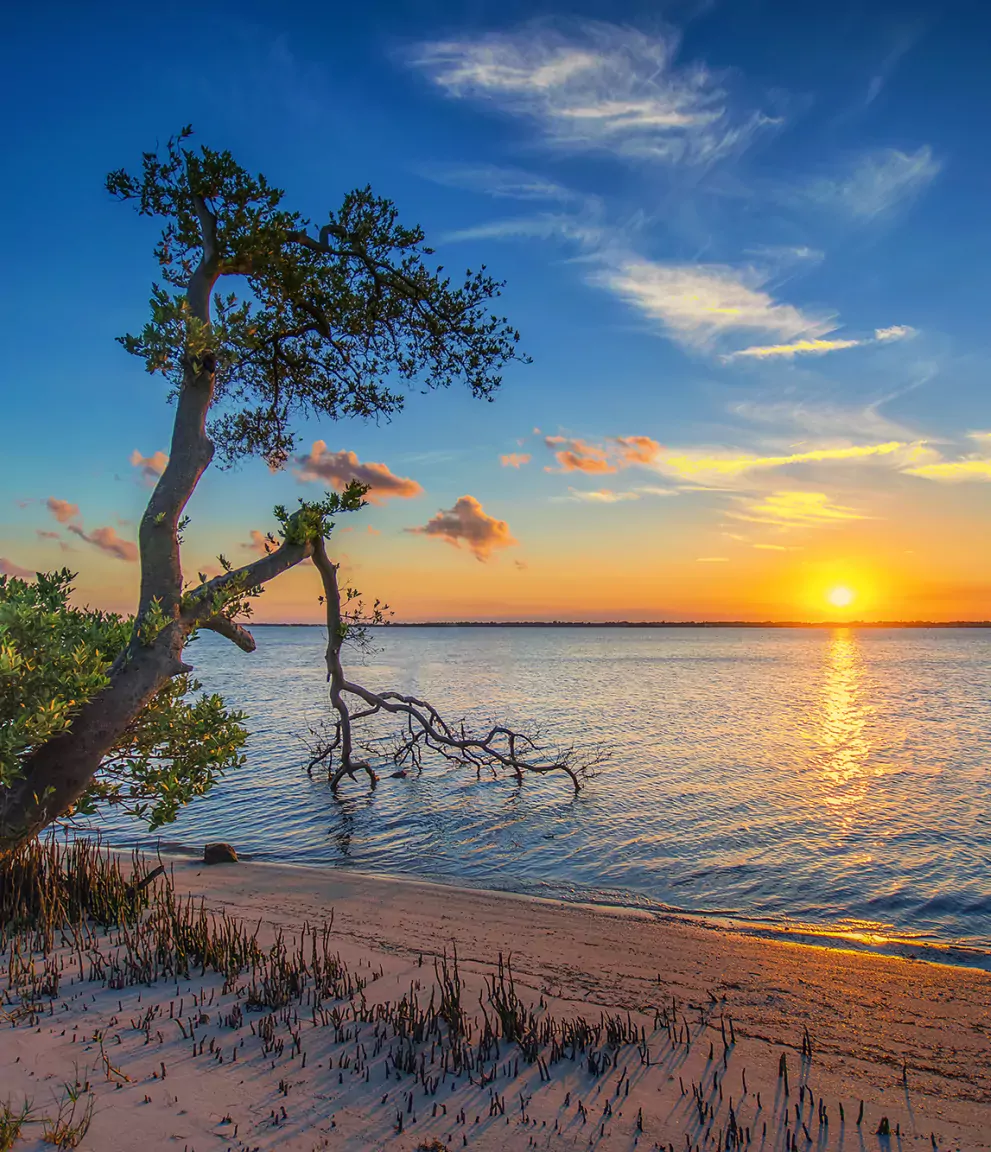
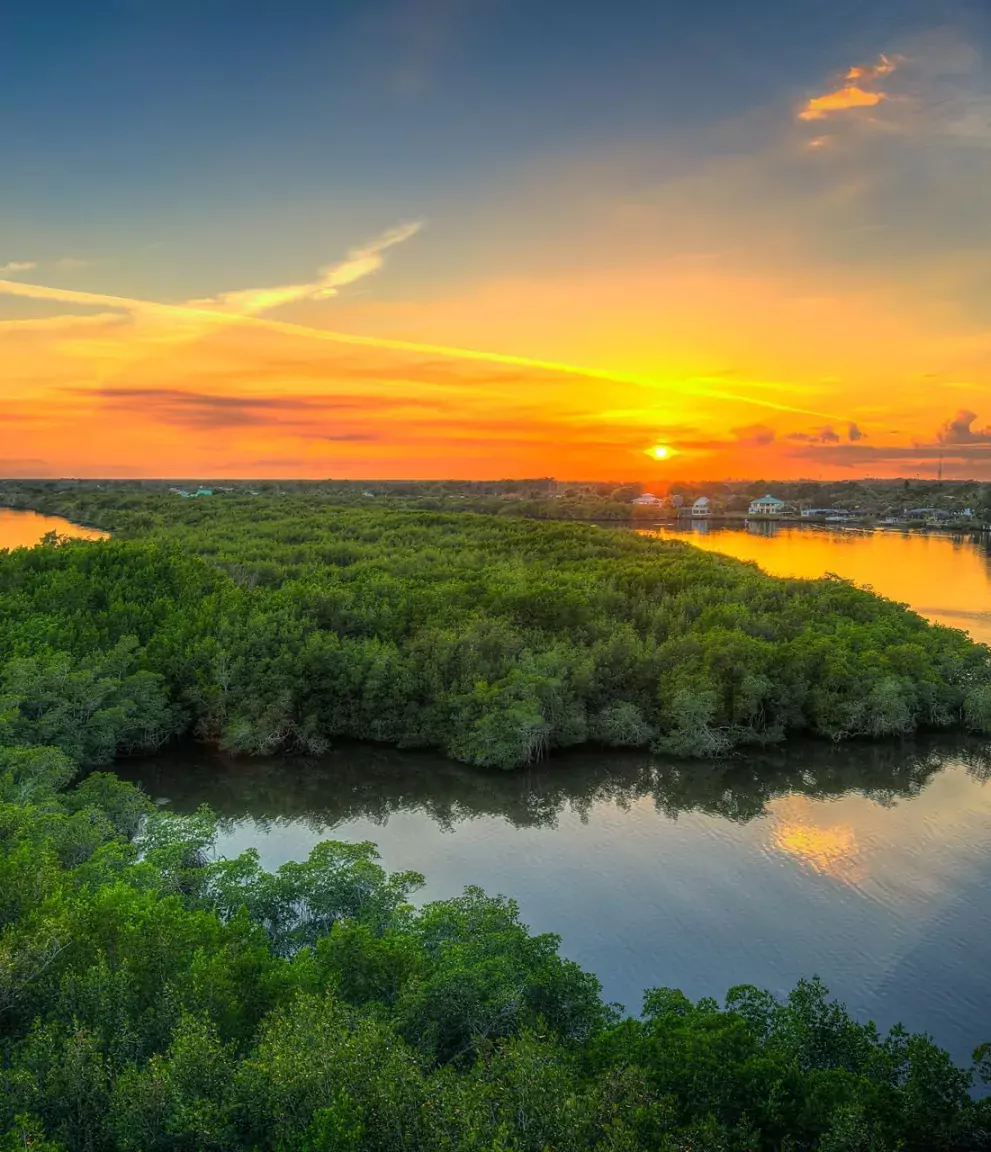
In addition to its importance as a navigation channel, the St. Lucie Inlet holds great environmental value. It is the heart of an estuarine system that supplies clear, clean, oxygenated waters to the Indian River Lagoon, the St. Lucie River and the Hobe Sound Narrows.
If left unmanaged, littoral sands would migrate into the Inlet, clogging the channels that provide the flow of water essential to maintaining the health of this productive and diverse estuary. The Coastal Management Division provides oversight over the continued maintenance of the Inlet.
Importance
The St. Lucie Inlet serves as a vital conduit to the Atlantic for the Indian River Lagoon (including the Intracoastal Waterway and the Hobe Sound Narrows) and the St. Lucie River (including the Okeechobee Waterway). Commercial, sport fishing and recreational boating use of the inlet is maintained through a navigation channel 12 feet in depth.
Dredging is typically conducted every two to four years to control shoaling in the three major reaches of this essential channel. Severe storms and adverse weather conditions can expedite the need for dredging, however, as material from beach and ocean areas settles in the mouth of the inlet and the inner channel, forming obstructive shoals. This shoaling results in an unreliable channel for boat traffic, negatively impacting safe navigation.
Due to substantial shoaling that occurred as a result of the 2004-2005 hurricanes, the need for immediate dredging has reached critical importance. The large amount of sand lost from nearby beaches during Hurricanes Frances and Jeanne has completely filled the Inlet’s impoundment basin, which was constructed to intercept sand that would otherwise form shoals and block the navigation channel.
Of equal consequence is the health of the Indian River Lagoon, a Lagoon of National Significance, which depends on the natural flushing action provided by the healthy, open Inlet to remove stormwater runoff and discharge from Lake Okeechobee. This project will provide for the effective management and bypassing of sands entering the Inlet, which will maintain and enhance the natural flushing of these aquatic preserves.
The bypassed sands will be used to help stabilize the beaches of the Hobe Sound National Wildlife Refuge and St. Lucie Inlet State Park, to ensure the health of these active sea turtle nesting habitats, and to restore sand that has been lost to the downdrift beaches from years of the Inlet’s impact.
History
The St. Lucie Inlet is a navigation channel that has provided ocean access for the shipping of goods and for commercial, charter and fishing activities since the 1800s. Private local interests created the artificial inlet in 1892, with a channel five feet deep over a bottom width of 30 feet. By 1922, the inlet had widened to 2,600 feet. In an attempt to stabilize a navigation channel through the inlet, a 3,325-foot stone jetty was constructed along the northern side of the inlet during 1926-1929.
The St. Lucie Inlet was established as a federally authorized project in 1945. Maintenance dredging and stabilization projects have been periodically conducted by U.S. Army Corps of Engineers (USACOE). Structural improvements made by USACOE were partially completed in 1982, including: extensions of the north and south jetties, construction of a 450-foot detached breakwater to shelter the navigation channel, and partial excavation of an impoundment basin inside the Inlet adjacent to the north jetty. Federal improvements were continued in 2002, with the expansion and deepening of the impoundment basin to a 20-foot depth.
The St. Lucie Inlet and subsequent jetty construction and improvements have acted as littoral barriers, interrupting the flow of sand along the coastline and resulting in accelerated beach erosion and shoreline recession to the south of the Inlet.
Solution
To address current shoaling issues, and in compliance with State regulations, the St. Lucie Inlet’s impoundment basin is being excavated to a depth of 18 feet. The navigation channel is being restored to its 12 foot design depth. A projected 600,000 cubic yards of sand will be bypassed from the Inlet and used to renourish beaches in the Hobe Sound National Wildlife Refuge and the St. Lucie Inlet State Park. The USACOE will complete this project in 2007.
Future improvements include raising the seaward 450-foot portion of the existing north jetty to an elevation of +8 feet Mean Lower Low Water (the lowest average low tide depth). This structural improvement will:
• Reduce wave impact from the northeast, keeping the Inlet calmer
• Control the migration of sand by focusing it into the impoundment basin for storage until the next dredging operation
• Reduce the cost of dredging by providing a more sheltered environment for the excavators to operate
Funding
Cost of the 2007 Inlet dredging and sand bypassing project is $11 million, over half of which is being funded by the USACOE. The remaining costs of $4.3 million will be split between Martin County and Florida’s Department of Environmental Protection.